Why Visit? La Brunilda is famous for its modern twist on traditional tapas. This lively spot is perfect for unwinding after a padel match. Signature dishes include squid ink risotto and Iberian pork with chimichurri, both packed with flavor and perfect for refueling.
Why Visit? This iconic tapas bar serves comforting Andalusian dishes in a warm, inviting setting. The montadito de pringá, a small sandwich filled with flavorful stewed meats, is a must-try.
What’s Special? Simplicity and authenticity make Bodeguita Romero a favorite among locals and visitors alike. Learn more about Bodeguita Romero
3. Bodega Santa Cruz (Las Columnas): Traditional Tapas in Seville
Location: C. Rodrigo Caro 1, Seville
Why Visit? Known for its affordable and delicious tapas, Bodega Santa Cruz offers dishes like tortilla de patatas, jamón serrano, and fresh seafood. It’s a cozy spot to unwind with your team after a match.
Why It’s Great: An authentic atmosphere and budget-friendly prices make it a must-visit. Discover Bodega Santa Cruz
4. El Rinconcillo: History and Tapas
Location: C. Gerona 40, Seville
Why Visit? Founded in 1670, El Rinconcillo is the oldest tapas bar in Seville and offers a truly authentic experience. Enjoy classic dishes like salmorejo(cold tomato soup) and montaditos in a historic setting.
What Makes It Unique? The blend of tradition and history creates a one-of-a-kind dining experience. Visit El Rinconcillo
5. Bar El Comercio: Sweet and Savory Treats
Location: C. Lineros 9, Seville
Why Visit? Famous for its churros with chocolate sauce, Bar El Comercio is perfect for a sweet treat after your game. They also serve savory tapas, making it a versatile choice.
Why Visit? For a refined culinary experience, La Azotea offers dishes like tuna tataki and foie gras with apple, blending tradition with elegance.
What Makes It Stand Out? Sophisticated décor, exceptional service, and innovative cuisine make this an excellent choice for foodies. Learn more about La Azotea
7. Bartolomea: Contemporary Andalusian Flavors
Location: C. Pastor y Landero 10, Seville
Why Visit? Bartolomea combines tradition and modernity in dishes like crispy pork belly and octopus with creamy mashed potatoes. The bright, welcoming space makes it ideal for post-match relaxation.
What to Expect: A fresh take on Andalusian cuisine that’s sure to impress. Visit Bartolomea
Why Tapas are the Perfect Post-Padel Choice:
Recovery with Flavor: Tapas provide a balanced mix of proteins, healthy fats, and carbs, making them ideal for recharging after your game.
Social and Fun: Sharing small plates keeps the camaraderie alive, letting everyone try a variety of flavors.
Light and Versatile: Tapas portions let you sample multiple dishes without feeling overly full.
Whether you’re in the mood for authentic Spanish flavors, refined dishes, or just a cozy evening with friends, Seville’s tapas bars offer something for everyone. After your padel match, these top spots allow you to unwind, share great food, and enjoy the vibrant atmosphere of one of Spain’s most beautiful cities. With so many incredible options to choose from, you can easily turn your sports evening into a culinary adventure, indulging in Seville’s finest tapas
1. Central Positioning: Maintain a central position on the court to efficiently cover the entire court.
2. Constant Movement: Constantly move to anticipate and respond to opponent shots.
3. Forehand and Backhand Stroke: Perfect your forehand and backhand strokes, ensuring you use the correct technique and practicing consistency.
4. Volleys and Overheads: Work on volleys and overheads, as they are essential shots for net play.
5. Effective Smash: Practice the smash to capitalize on high balls and effectively finish points.
6. Doubles Play: Coordinate with your partner, communicate your movements and strategies to maximize effectiveness as a team.
7. Variety in Serves: Develop a variety of serves to keep your opponents constantly adapting.
8. Game Tactics: Learn to read the game and adjust your strategy according to the strengths and weaknesses of your opponents.
9. Touch and Placement: Work on subtle touch and precise ball placement to unsettle your opponents.
10. Mental Training: Develop mental strength, stay calm under pressure, and learn to recover from mistakes.
11. Adaptability: Be flexible in your approach. Adapt your game according to the match situation and your opponents’ characteristics.
12. Physical Condition: Maintain good physical condition to improve your endurance and agility on the court.
Remember that improvement in padel is achieved through constant practice, reflective analysis of your games, and willingness to learn and evolve in your game. Good luck!
Choosing the right racket for your level in padel is crucial for improving performance and enjoying the game to the fullest. Different player levels have different needs and preferences regarding padel characteristics. Here are some key considerations for selecting a racket based on the player’s level:
Beginners:
Shape:
Round or teardrop-shaped rackets provide a larger sweet spot, making it easier for beginners to hit the ball. They help minimize errors and offer greater forgiveness.
Weight:
Lightweight rackets are more manageable and easier to control, which is beneficial for beginners who are still developing their technique.
Core:
Soft or semi-soft rubber provides more power and control, ideal for beginners working on the accuracy of their shots.
Frame:
Wide and sturdy frames offer more durability and forgive off-center hits, making them better suited for beginners.
Balance:
Medium or low balance provides more control and makes paddle handling easier for beginner players.
Intermediate:
Shape:
Teardrop or diamond-shaped rackets offer a good balance between control and power, suitable for intermediate players looking to enhance their game.
Weight:
Moderate weight provides a suitable combination of power and control. Intermediate players can handle slightly heavier paddles as they improve their technique.
Core:
Intermediate rubber hardness provides an optimal balance between power and control.
Frame:
Look for rackets with advanced technologies, such as carbon fiber, which offer greater stiffness and response in the shot.
Balance:
Balanced or slightly head-heavy balance provides a good balance between control and power.
Advanced:
Shape:
Diamond or inverse teardrop shape provides a larger sweet spot at the top of the racket, ideal for advanced players seeking power.
Weight:
Customized weight according to individual preferences. Some advanced players prefer heavier rackets for power, while others opt for lighter ones for maneuverability.
Core:
Hard rubber provides more power but requires advanced technique to control properly.
Frame:
High technology and quality materials such as 3K or 12K carbon for optimal performance.
Balance:
Head-heavy balance provides more power, suitable for advanced players who already have good technical control.
Additional Considerations for All Levels:
Grip:
Ensure the grip is the right size for your hand. Proper grip improves comfort and control.
Profile Thickness:
Thinner profiles offer more control in shots, while thicker profiles provide more power. Advanced players may prefer thinner profiles.
Surface:
Rough or smooth surfaces. Rough surfaces can provide more spin on the ball, beneficial for certain types of shots.
Budget:
Tailored to needs and level. Consider your budget and look for the best racket within that range that suits your level and playing style.
Before making a decision, it’s advisable to try out several rackets and consult with experts or coaches for specific recommendations based on your playing style and skill level. Additionally, remember that padel racket choice is personal, and the most important thing is to find one that you feel comfortable and confident with on the court.
Playing pádel is a sport that has experienced significant growth in popularity in recent years. Originating in Mexico in the 1960s, paddle tennis combines elements of tennis and squash and is played on a smaller, enclosed court. As more people discover this exciting sport, a series of physical, mental, and social benefits associated with regular practice have been identified.
Physical Benefits of Pádel:
Improved Cardiovascular Health: Pádel is a dynamic sport involving constant movement, contributing to a healthier cardiovascular system. Running, hitting the ball, and making quick direction changes are key aspects that stimulate the cardiovascular system.
Development of Muscle Strength and Endurance: Playing pádel engages various muscle groups, including legs, arms, back, and abdomen. This contributes to the development of muscular strength and endurance as players perform repetitive movements and intense efforts during the game.
Calorie Burning: Pádel is an exercise that can aid in weight loss or maintaining a healthy weight. The active and constant gameplay allows for effective calorie burning, benefiting those looking to stay in shape.
Improved Coordination and Agility: The fast and dynamic nature of pádel requires agile and quick movements. Regular play enhances hand-eye coordination, agility, and the ability to make precise and rapid movements.
Bone and Joint Strengthening: Like other sports, pádel contributes to the strengthening of bones and joints. Regular physical activity helps prevent issues related to osteoporosis and improves joint health.
Mental Benefits of Pádel:
Stress Reduction: Physical exercise, in general, is known to reduce stress. Pádel is no exception, as the physical activity releases endorphins, neurotransmitters that act as natural painkillers and generators of positive feelings.
Cognitive Stimulation: Pádel involves making quick decisions, calculating distances, and reacting to the opponent’s movements. These aspects stimulate cognitive function, improving decision-making ability and mental sharpness.
Mood Enhancement: Regular pádel practice is associated with an improvement in mood. Social interaction, friendly competition, and achieving personal goals during the game can have a positive impact on mental health.
Increased Concentration: Pádel requires constant attention to the ball, the playing partner, and the situation on the court. This constant focus helps improve concentration and attention.
Development of Problem-Solving Skills: In pádel, players must adapt and adjust their strategies based on the game’s dynamics. This adaptability contributes to the development of problem-solving skills, useful both in sports and daily life.
Social Benefits of Pádel:
Promotion of Socialization: Pádel is typically played in pairs (doubles), promoting social interaction. Playing with friends, family, or colleagues can strengthen social bonds and create new friendships.
Team Spirit: In doubles pádel , communication and coordination between players are essential. This collaboration fosters team spirit and camaraderie, as players work together to achieve their goals.
Networking Opportunities: Pádel has become a popular sport in the business world, providing informal networking opportunities. Many people find that playing pádel with colleagues or clients is an effective way to build relationships outside the workplace.
Integration into the Community: The proliferation of pádel clubs and local tournaments has led to increased community integration. Participating in pádel -related events and activities can be an excellent way to meet new people and feel part of a sports community.
Shared Fun: Fun is a fundamental part of pádel. Sharing moments of joy and excitement during the game reinforces social bonds and contributes to a positive and friendly atmosphere.
In summary, playing pádel offers a wide range of benefits, from improvements in physical fitness to the promotion of mental and social well-being. The versatility of this sport, which can adapt to different skill levels and ages, makes it an attractive option for those seeking a comprehensive and rewarding sporting activity.
In Seville, the number of rainy days per year is relatively low. On average, the city experiences around 50 rainy days annually. This low amount of precipitation contributes to creating a dry and sunny climate, making it attractive for sports activities throughout most of the year.
Seville, the capital of the Andalusia region in southern Spain, is renowned for its Mediterranean climate characterized by hot summers and mild winters. In terms of precipitation, Seville experiences a semi-arid climate, meaning the annual rainfall is relatively low compared to other regions, averaging around 600 mm per year and distributed unevenly across seasons.
The city undergoes a dry period during the summer months, with temperatures often exceeding 40 degrees Celsius, and rainfall is typically scarce during this time. Winters are cooler but moderate, with temperatures rarely dropping below 5 degrees Celsius. The highest amount of rainfall occurs during the spring and autumn seasons in Seville.
The low precipitation significantly impacts the city’s appeal for sports activities. The sunny and dry weather for most of the year creates ideal conditions for various outdoor activities. Additionally, the mild winter temperatures allow sports to be practiced year-round without facing the weather challenges that might limit activities in other regions.
One of the most popular sports in Seville is pádel. The padel community in Seville has grown over time, with the organization of tournaments and local events encouraging participation and enthusiasm for the sport. All of this has contributed to making paddle tennis an integral part of the sports culture in Seville.
Another flourishing sport in Seville is rowing. The Guadalquivir River, flowing through the city, provides a stunning backdrop for this water sport. Local rowing clubs offer enthusiasts the opportunity to engage in this activity in a unique setting. Favorable weather conditions enable rowing to be a year-round option, giving residents and visitors the chance to enjoy outdoor activity and physical exercise.
The presence of numerous parks and green spaces in Seville also promotes outdoor sports. From María Luisa Park to the Murillo Gardens, these places offer a peaceful and beautiful environment for running, yoga, or simply enjoying a relaxing walk. The mild winter temperatures make these spaces accessible in any season, allowing physical activity to become an integral part of daily life.
In addition to conventional sports, Seville is famous for its cultural traditions and festivals, which often incorporate unique sports events. The April Fair, for example, includes horse riding competitions and equestrian displays, showcasing the city’s rich connection to horseback riding. These events not only provide opportunities to engage in sports but also add a festive and social element to the local sports scene.
Seville’s historical architecture also contributes to its appeal for sports practice. Running through the narrow cobblestone streets of the Santa Cruz neighborhood or along the banks of the Guadalquivir River offers athletes a unique experience, combining physical exercise with the history and architectural beauty of the city. The fusion of tradition and modernity, both in architecture and culture, creates an inspiring environment for those seeking a sports experience beyond the conventional.
In conclusion, Seville, with its warm and dry climate, provides an ideal setting for the practice of a variety of sports year-round. From pádel and rowing to running in historical locations, the city offers unique opportunities to blend physical activity with rich culture and architectural beauty. The low amount of rainfall, favorable topography, and well-developed infrastructure contribute to making Seville an attractive destination for sports enthusiasts and those seeking an active and healthy lifestyle.
A “Padel Weekend” is generally a term used to describe an event or program where participants dedicate a significant amount of time to the practice and improvement of padel over a weekend. These events typically include a combination of intensive training sessions, matches, social activities, and possibly competitions. Here are some common features of an intensive padel weekend:
Intensive Training: Participants usually receive longer and more concentrated training sessions than usual, with the aim of rapidly improving their padel skills.
Matches and Competitions: Matches and possibly tournaments are organized for participants to put into practice what they have learned during the training sessions. This can foster camaraderie and friendly competition.
Clinics and Workshops: In addition to training sessions, specific clinics and workshops may be conducted to address technical, tactical, or mental aspects of the game.
Social Activities: Padel weekend events often include social activities such as dinners, networking events, or relaxation moments, providing participants with the opportunity to get to know each other off the court.
Personalized Coaching: Depending on the event format, there may be opportunities for participants to receive personalized feedback from experienced coaches.
Focus on Individual and Team Development: These events typically aim to improve participants’ individual skills as well as strengthen team dynamics.
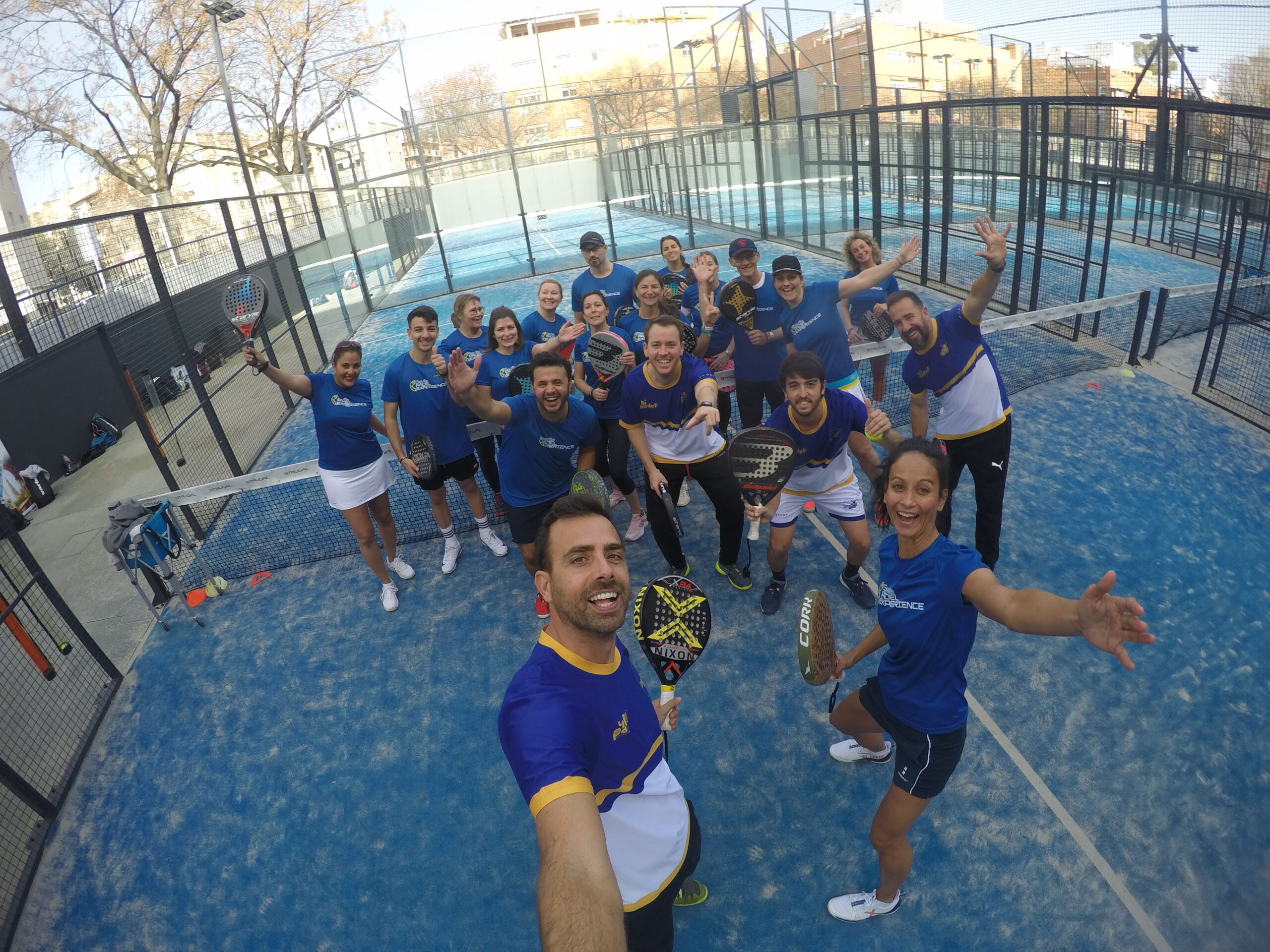
All of this is made possible by Sevilla Padel Experience, where we have more than 5 coaches who can speak both English and Spanish fluently. Our “Padel Weekends” are divided into 8 hours, with the first 6 hours dedicated to lessons, teaching everything from basic to advanced shots. The last two hours, usually coinciding with the last day of classes, involve organizing a small tournament or “King of the Court” with local players.
During these days, you won’t have to worry about anything, as Sevilla Padel Experience takes care of all the logistics. We provide a 4-star hotel with a great breakfast for the two nights you’ll be in Sevilla. When heading to training, you can choose to walk, which takes approximately 20 minutes, or SPE can arrange for a car to be at the hotel door to take you to our club. If you need any advice about the city, our coordinator Alejandro Gómez, a native of Sevilla, will ensure you lack nothing and provide advice on the best places in Sevilla to visit, especially tapas restaurants where you can experience the local gastronomy.
In conclusion, “Padel Weekends” are an excellent way for players of all experience levels to fully immerse themselves in the sport, improve their skills, and enjoy a social experience with other padel enthusiasts. These events are organized by padel academies, sports clubs, or companies specializing in sports activities.
Spain is a country rich in culture, history, natural beauty, and sports, and it is one of the most popular tourist destinations in the world. Additionally, Spain is known as a paradise for pádel enthusiasts, a sport that has experienced phenomenal growth in popularity in recent years. In this text, we will explore why Spain is the best tourist destination to combine with pádel.
Rich History and Culture
One of the most appealing aspects of Spain as a tourist destination is its rich history and culture. From ancient Roman monuments to the stunning Arab palaces of the Alhambra in Granada, Spain offers travelers the opportunity to immerse themselves in the past. History lovers can visit cities like Toledo, which was a significant center of medieval culture, or Mérida, where impressive Roman remains can be found.
Spanish culture is equally fascinating. Spain is famous for its cuisine, which includes dishes like paella, gazpacho, Iberian ham, and a wide variety of tapas. Visitors can enjoy an authentic culinary experience while traveling through the country. Additionally, Spain is known for its music, dance, and festivals. Flamenco is an art form deeply rooted in Spanish culture and can be enjoyed in live performances throughout the country.
Spectacular Natural Beauty
Spain is a country of spectacular natural beauty. From the golden sandy beaches on the Mediterranean coast to the mountainous landscapes of the Pyrenees, there is something for every nature lover. National Parks, such as Doñana National Park or Ordesa and Monte Perdido National Park, offer unique opportunities for wildlife observation and outdoor activities like hiking and cycling.
For those who prefer the coast, Spain boasts some of the most beautiful beaches in Europe. The Balearic Islands and the Canary Islands are popular destinations for sun and sea enthusiasts. Furthermore, the crystal-clear waters of Ibiza and Formentera are perfect for water sports such as snorkeling and diving.
Padel, the Trendy Sport
Pádel is a sport that has experienced a surge in popularity worldwide in recent years, and Spain is considered the birthplace of this sport. Pádel combines elements of tennis and squash and is played on a smaller court with glass walls. It is an easy sport to learn and suitable for players of all levels, making it perfect for those who want to enjoy a sporting activity during their vacation.
In Spain, paddle tennis is more than just a sport; it is an integral part of the country’s sporting culture. You can find pádel courts in nearly every corner of Spain, from sports clubs to tourist resorts. Additionally, Spain has produced some of the world’s best pádel players, adding a special touch to the experience of playing in the country.
Padel Tourist Destinations in Spain
Spain offers a wide variety of tourist destinations ideal for combining with pádel. We highlight Andalusia and, in particular, Seville. Paddle tennis is more than just a sport in Seville; it is a passion deeply rooted in the local sports culture. Seville boasts a large number of high-quality paddle tennis clubs, and Sevillians take this sport very seriously. The city hosts numerous paddle tennis tournaments and competitions throughout the year, making it an exciting place for paddle tennis enthusiasts.
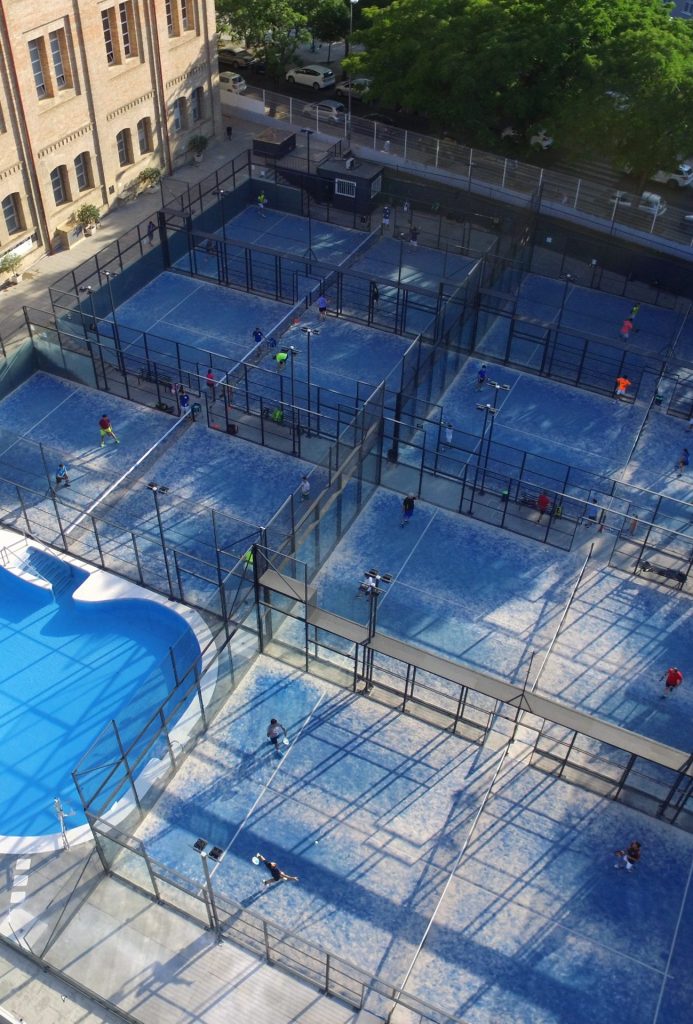
Padel clubs in Seville offer top-notch facilities with artificial grass courts and well-maintained tracks. Moreover, many clubs have training programs and classes for beginners and advanced players. If you are a padel enthusiast, Seville offers you the opportunity to improve your skills or simply enjoy a friendly match with friends.
Conclusion
In summary, Spain is a top-tier tourist destination that combines rich history and culture, spectacular natural beauty, and a passion for paddle tennis. Whether you are a history and culture enthusiast or a sports enthusiast, Spain has something to offer. The opportunity to enjoy paddle tennis in the country where it originated adds an extra allure. So, if you are planning your next vacation and seeking a unique experience that combines tourism and sports, Spain is definitely the perfect destination for you.
Padel, a racquet sport that combines elements of tennis and squash, has gained immense popularity in recent years. While this exciting sport can be enjoyed in various locations around the world, there’s something truly special about playing padel in the enchanting city of Sevilla, Spain. With its ideal climate, a proliferation of courts, rich culture, competitive scene, social aspects, scenic locations, and accessibility, Sevilla offers a perfect backdrop for indulging in the joy of padel. In this article, we’ll delve deeper into why Sevilla is an exceptional destination for padel enthusiasts.
1. Ideal Climate: A Padel Player’s Dream
Sevilla boasts a Mediterranean climate, characterized by hot, dry summers and mild, wet winters. This climate makes it an absolute delight for padel enthusiasts. The long, sunny days and minimal rainfall create the perfect conditions for playing padel outdoors virtually year-round. Unlike regions with harsh winters or scorching summers, Sevilla provides a stable climate that encourages consistent play. Whether you’re a casual player looking for leisurely matches or a dedicated competitor seeking to hone your skills, the favorable weather in Sevilla will be your ally.
2. Proliferation of Courts: Options Galore
One of the key reasons to choose Sevilla as your padel destination is the abundance of courts. The city and its surrounding areas offer a multitude of padel facilities, ranging from indoor to outdoor courts. This diversity means you can easily find a court that suits your preferences and playing style. Whether you prefer the intimacy of an indoor setting or the open-air ambiance of an outdoor court, Sevilla has got you covered. Additionally, the availability of courts means you won’t have to wait long to secure a playing time that fits your schedule.
3. Cultural Experience: Beyond the Court
Padel is not just a sport; it’s an experience, and playing it in Sevilla takes that experience to another level. Sevilla is steeped in history, culture, and tradition. When you’re not on the padel court, you can immerse yourself in the rich tapestry of Spanish culture. Explore the historic Alcazar, marvel at the awe-inspiring Seville Cathedral, or take a leisurely stroll through the enchanting streets of the Santa Cruz neighborhood. And don’t forget to savor the local cuisine, which includes mouthwatering tapas and refreshing sangria. The blend of sport and culture in Sevilla makes every visit memorable.
4. Competitive Scene: Elevate Your Game
For those who thrive on competition, Sevilla offers a thriving padel scene. Local clubs and tournaments provide ample opportunities to challenge yourself against skilled opponents. Playing in Sevilla can be a great way to push your boundaries, refine your skills, and experience the thrill of competitive padel. Whether you’re a seasoned pro or a rising star, you’ll find plenty of like-minded players eager to engage in competitive matches.
5. Social Aspect: Forge Friendships
Padel is renowned for its social nature. It’s a sport that encourages interaction, teamwork, and camaraderie. In Sevilla, the padel community is vibrant and welcoming. When you join a local club or participate in a tournament, you’ll have the chance to meet new people, make friends, and share your passion for the sport. The friendships you forge on the padel court can extend beyond the game, enriching your life in unexpected ways.
6. Scenic Locations: Playing Amidst Beauty
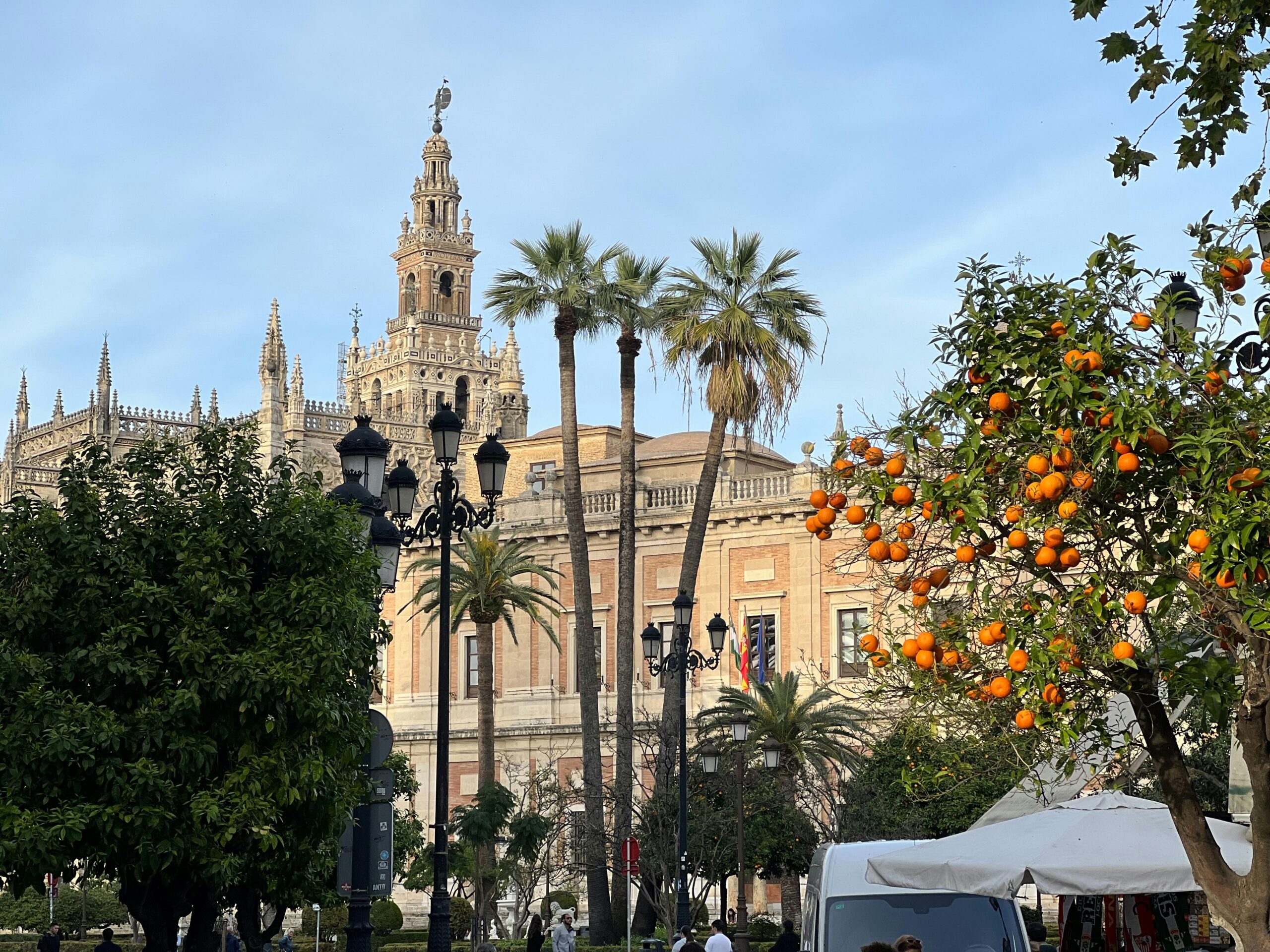
Many padel clubs in Sevilla are strategically located in picturesque settings. Imagine playing a thrilling match surrounded by lush greenery, palm trees, and stunning landscapes. Some courts even offer breathtaking views of historical landmarks like the Giralda Tower. The scenic beauty enhances the overall padel experience, making each match not just a sporting event but a visual delight.
7. Accessibility: Easy to Reach
Sevilla’s accessibility is another factor that makes it an attractive destination for padel enthusiasts. The city is well-connected by various transportation options, including an international airport, high-speed trains, and an extensive bus network. Whether you’re a local resident or a traveler from afar, getting to Sevilla and accessing padel courts across the city is a hassle-free experience.
In conclusion, playing padel in Sevilla is a delightful journey that combines the joy of sport with the allure of culture, climate, and camaraderie. The ideal weather, abundant courts, cultural richness, competitive opportunities, social connections, scenic vistas, and accessibility all converge to create an exceptional padel experience. Whether you’re a beginner looking to learn the ropes or an experienced player seeking a new adventure, Sevilla invites you to embrace the sport of padel in a setting that truly enhances your enjoyment and passion for the game. So, pack your racquet, put on your sports shoes, and head to Sevilla to discover the magic of padel like never before.
Un “padel camp” se refiere a un evento, campamento o programa relacionado con el pádel. Generalmente implica una experiencia de inmersión en el mundo del pádel, donde los participantes tienen la oportunidad de mejorar sus habilidades en el juego, recibir instrucción técnica de entrenadores especializados, participar en partidos amistosos y actividades relacionadas con el pádel, y disfrutar de una atmósfera social y deportiva.
Estos campamentos pueden tener diferentes enfoques, como campamentos para principiantes que deseen aprender las bases del juego, campamentos de perfeccionamiento para jugadores intermedios o avanzados que buscan pulir sus habilidades, o incluso campamentos de competición donde los jugadores puedan medirse en torneos y desafíos.
En resumen, un pádel camp es una experiencia educativa y divertida para los entusiastas del pádel, brindándoles la oportunidad de mejorar sus habilidades, conocer a otros jugadores y disfrutar del deporte en un entorno enfocado y amigable.
Se puede disfrutar de esta experiencia por toda España, pero nosotros te recomendamos venir a entrenar con nuestra academia y conocer nuestra magnifica ciudad.
Estamos encantado de recibirte durante los 365 días del año, encargándonos de que tu experiencia sea la mas completa posible, en el que tu único objetivo sea mejorar y disfrutar tu estancia en Sevilla.
Y para animarte a recorrerla, aquí te dejamos una ruta de tres días para que disfrutes de sus monumentos y su encanto.
Día 1.
En el primer día te proponemos realizar las visitas culturales más importantes de Sevilla.
Empezando el día con un buen desayuno en el barrio Santa Cruz, este entramado de calles y plazuelas que recuerdan al estilo de la antigua judería.
Parada obligatoria, es la Iglesia de Santa María la Blanca, antigua mezquita que paso a convertirse en Sinagoga, para en actualidad albergar una maravillosa iglesia barroca caracterizada por la yesería que recubren sus techos y las pinturas de Murillo. A resaltar la original de La cena de Murillo de estilo más oscuro y tenebrista.
Siguiendo con el paseo, iremos por la calle Mateos Gago para poder tener esa maravillosa instantánea de la giralda abriéndose paso por la estrechez de la calle.
Después del paseo por Santa Cruz, nos dirigiremos hacia la Catedral de Sevilla para hacer la visita, te dejamos aquí el enlace para que puedas comprar la entrada. (www.catedraldesevilla.es)
La catedral del siglo XV y la iglesia de estilo gótico más grande del mundo, alberga entre otras curiosidades la tumba de Cristobal Colón. Para subir a la giralda solo son necesarios 17 escalones, el resto para nuestra suerte son 35 rampas. ¿Ahora es más fácil, verdad?
Como imaginas, las vistas de la ciudad desde la giralda es algo que no te debes perder. Con unos 100 metros de altura y construida en el siglo XII, era el minarete de la antigua mezquita que ocupaba ese mismo lugar, es sin duda el emblema de la ciudad.
Proxima Parada, Real Alcazar, el palacio real en uso más antiguo de Europa, aconsejamos que al igual que las entradas de la catedral, las compréis por adelantado, para así garantizarnos la visita. (www.alcazarsevilla.org)
El Alcazar es historia pura de la ciudad y la mejor forma de entender la multiculturalidad de ella. Un conjunto de palacios construidos en diferentes etapas históricas cuyos orígenes se remontan al siglo X. La pieza fundamental de su fisionomía fue el Rey Pedro I de Castilla, quien mando a construir el Palacio Mudéjar.
No olvides perderte por los jardines, que han sido escenario de numerosas series y películas como “Juego de Tronos”, “Lawrence de Arabia” o “El reino de los cielos”.
Es el momento de hacer un pequeño descanso y disfrutar de la gastronomía sevillana.
Una vez hemos recuperado las fuerzas, nos dirigiremos al Archivo de indias, icono del papel tan destacado que tuvo nuestra ciudad en el comercio con América. Creado en el 1785 por mandato del rey Carlos III para centralizar toda la documentación relativa al descubrimiento y colonización de América. Como curiosidad se conservan más de 43.000 legajos. La entrada de martes a domingo es gratuita y es la excusa perfecta para visitar este edificio manierista.
Como empezara a caer el día, es el momento perfecto para visitar la zona del rio.
El Guadalquivir ha jugado un papel muy importante en la historia de la ciudad, como hemos visto anteriormente, gracias a su puerto y puerta de América.
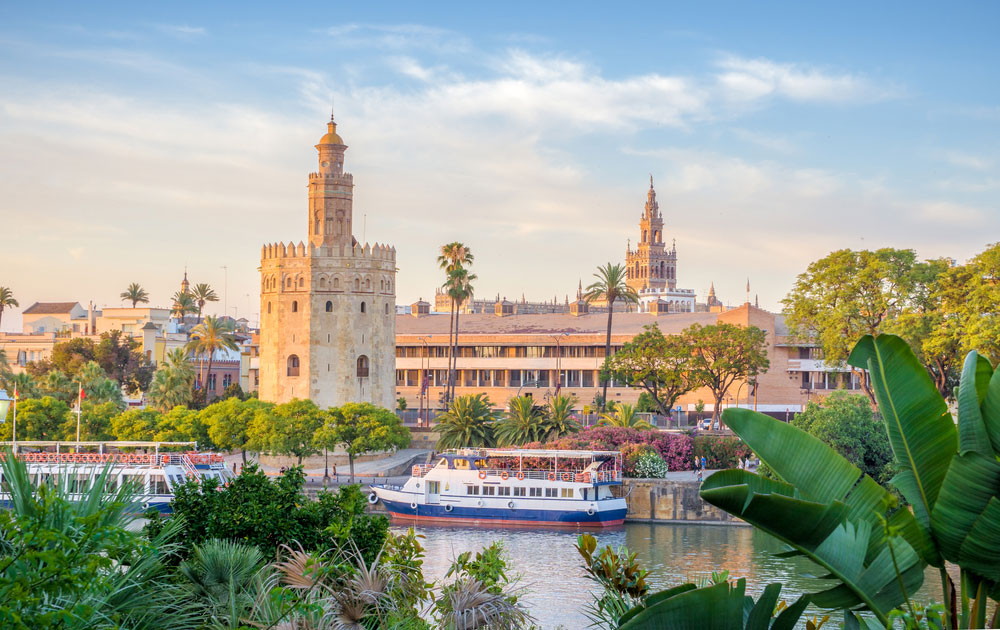
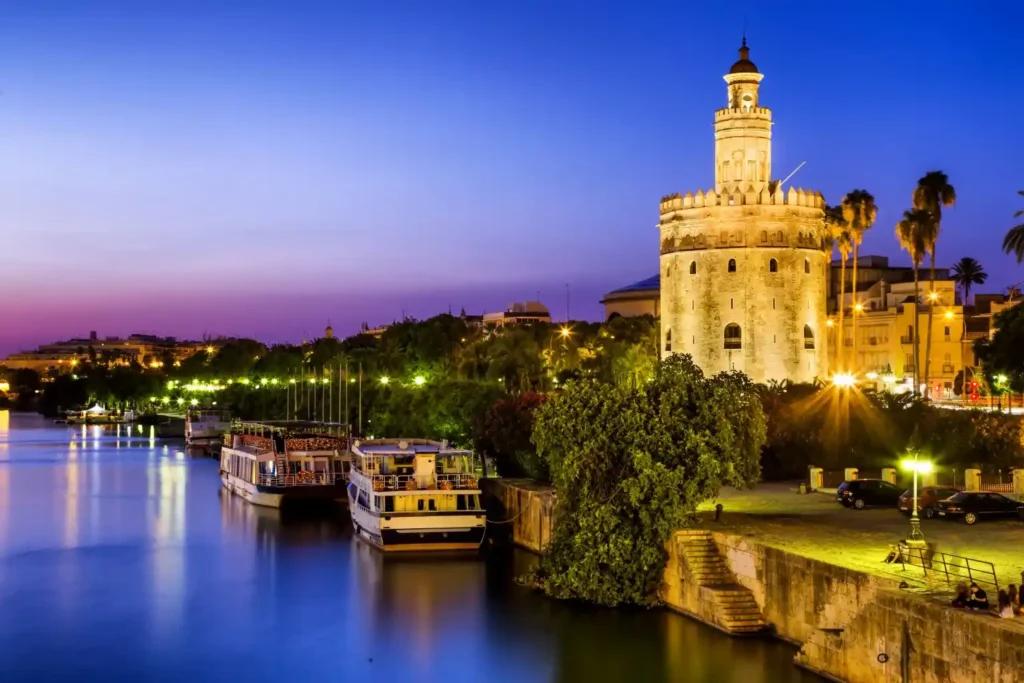
En primer lugar visitaremos, La torre del Oro, torre defensiva del siglo XIII, que en su interior alberga el museo naval con numerosos documentos epigráficos relacionados con Sevilla y sus grandes descubrimientos marítimos.
Seguimos paseando por la orilla del rio y nos encontraremos con la Plaza de Toros de la Maestranza, una de las más antiguas del país y que deslumbra por su colorido los días de sol.
Así llegaremos a la zona más mágica de la ciudad y donde terminaremos nuestra ruta el primer día.
Delante de nosotros tendremos el puente de Triana y el comienzo del barrio que lleva el mismo nombre.
Triana, es famosa por su cerámica, por sus bellas iglesias como la parroquia de Santa Ana o la capilla de los marineros, pero no podemos olvidar pasear por la calle Betis y disfrutar de unas de las mejores vistas de la ciudad..
Día 2.
Para hoy os ofrecemos un plan muy distinto ya que estamos en una de las mejores ciudades del mundo para poder hacerlo.
Gracias a su clima, Sevilla es perfecta para poder disfrutar de practicar deporte al aire libre.
Y que mejor, que unas clases de Padel en un club en el centro de la ciudad y a seis minutos de la Plaza España.
Sevilla Padel Experience ofrece la posibilidad de recibir clases de padel en un entorno único, y de la mano de los mejores profesionales de este sector. Galisport Happiness Club se sitúa en el emblemático barrio del Porvenir. Cuenta con 7 pistas exteriores. Las clases de padel son impartidas en Ingles o Español por lo que no hay excusa para jugar a este deporte. Tienes la flexibilidad de elegir el horario que más se adapte a tu visita. Te esperamos con tu familia, amigos, pareja etc.…
Tras hacer deporte, podremos comer por la zona del Porvenir, en su famosa calle Felipe II llena de bares.
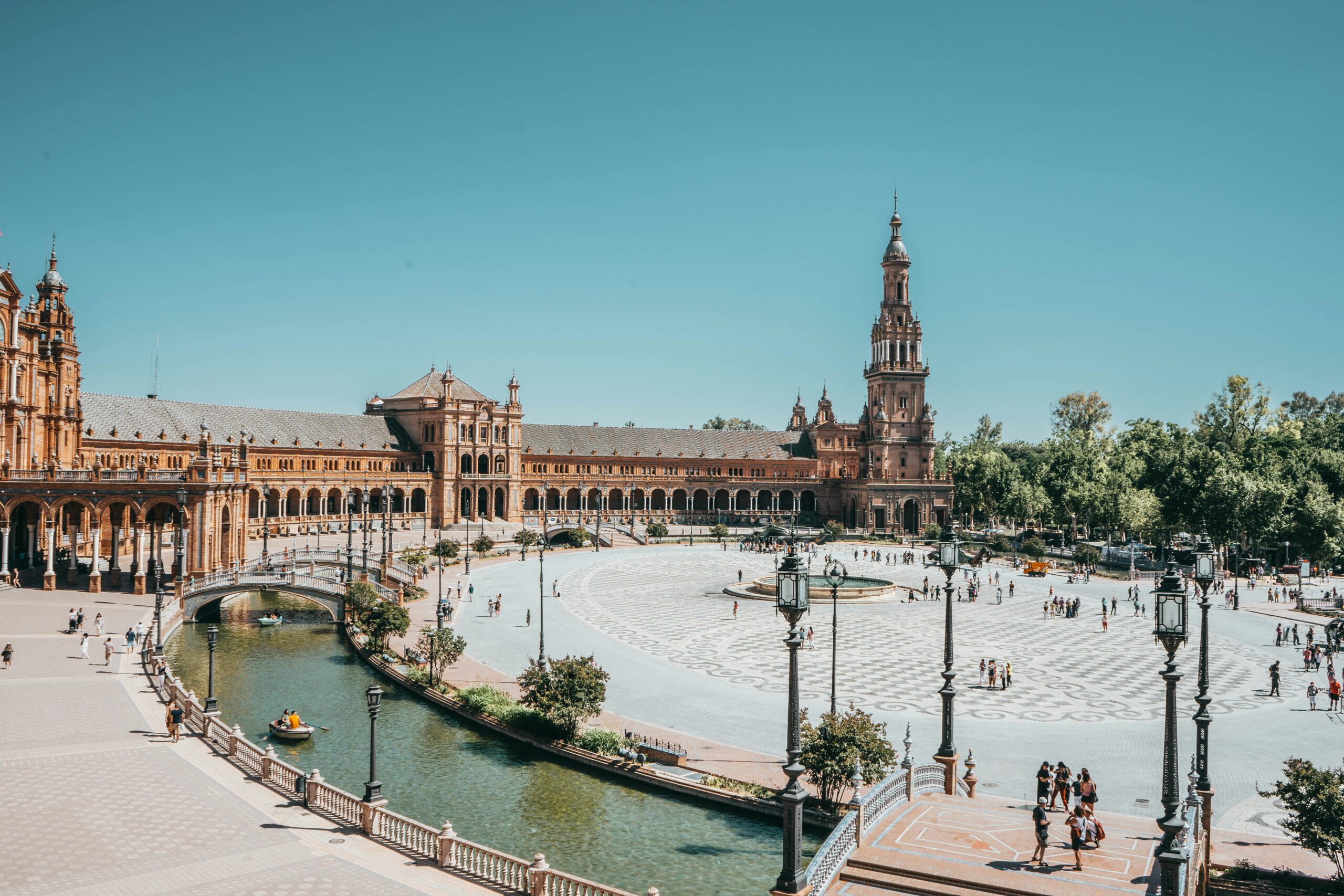
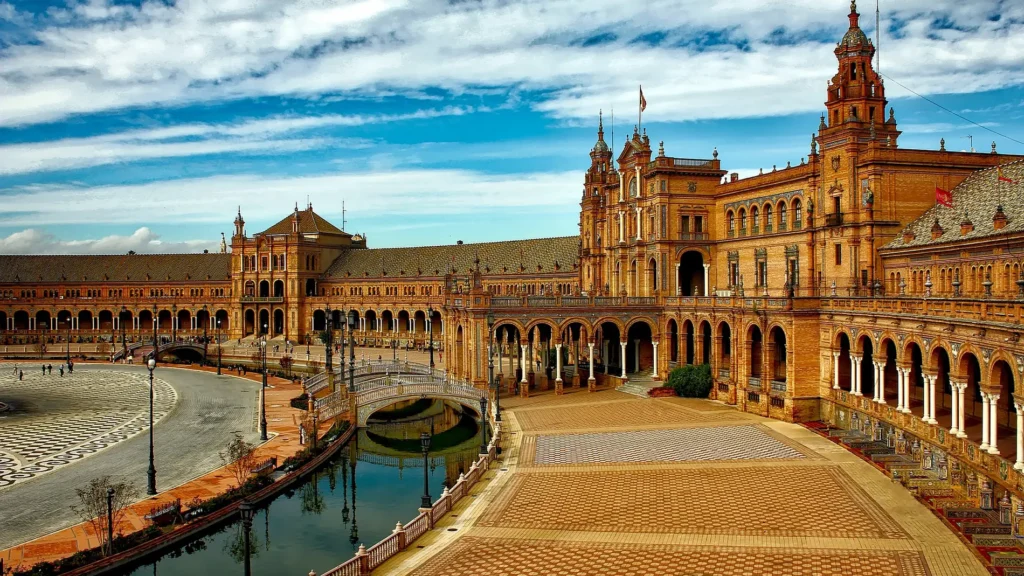
Por la tarde, descubriremos la maravillosa Plaza de España, monumento emblemático de la ciudad que fue construida en el 1929, para la exposición iberoamericana por Aníbal González, dentro del principal parque de la ciudad, el Parque María Luisa.
Construida para simbolizar la unión entre España y Latinoamérica, está formada por 48 azulejos con las distintas provincias del país.
Como recomendación, si os sentís con fuerzas no dudes en pasear con unos de sus barcos para conseguir la estampa más clásica.
En el parque encontramos también dos preciosos edificios de estilo mudéjar que alberga el Museo Arqueológico y el de Artes y costumbres populares.
Día 3.
Hoy comenzaremos en la alegre Plaza del Salvador, a los pies de la Iglesia del mismo nombre. Esta es la segunda iglesia más grande la ciudad y su interior no deja a nadie indiferente. Podemos aprovechar esta visita con las mismas entradas que sacamos para la catedral ya que van unidas. Su origen se remonta a una mezquita omega del siglo IX, siendo así el edificio en uso más antiguo de Sevilla.
Pasearemos ahora por las calles más céntricas y comerciales de la ciudad sin perder el rumbo hasta llegar a otro de los símbolos, pero esta vez moderno.
El Metropol Parasol, “Las Setas”, es diseño del arquitecto alemán Jürgen Mayer, inspirado en los centenarios arboles de la Plaza de San Pedro y las bóvedas de la Catedral. Siendo la estructura de madera más grande del mundo con 3.500 metros cúbicos de madera de pino fines. Como curiosidad, por cada pino talado para su construcción fueron plantados tres en los mismos bosques de los que proceden.
Las obras dejaron al descubierto restos visibles de gran parte del periodo romano (ca. 30 d.C) hasta el siglo VI y restos islámicos almohades de los siglos XII y XIII.
Por la tarde, proponemos ir hacia una de las zonas más vibrantes de esta ruta de 3 días por Sevilla, pero antes nos dirigimos hacia el Palacio de dueñas, para poder visitar una típica casa palacio con patio andaluz, propiedad de una familia aristócrata.
En la zona de Alameda de Hércules y el barrio de la Macarena será misión casi imposible que no acabes tomando alguna cerveza en uno de sus múltiples bares o dejándote llevar por el barrio mas alternativo de la ciudad.
No olvides visitar la Basílica de la Macarena y los restos de la muralla defensiva de la ciudad del siglo XII.
Esta será la última zona a visitar de Sevilla. Estamos seguros de que con este recorrido habrás captado la esencia de la ciudad y que te gustara tanto que no dudaras en volver.
Estamos encantados de que hayas decidido embarcarte en esta aventura con nosotros y hayas disfrutado de la Experiencia Sevilla Padel.